By Lucinda Fernbrook. Publisher: seasonlaughter Symbol Reading Journal.
A screen fills with gifts, clovers or smiling characters, and a number begins to climb. It is easy to follow the celebration before noticing what the number measures. This September 2026 guide looks at social casino credits as a reading task: find the unit, follow the round and keep the result in context.
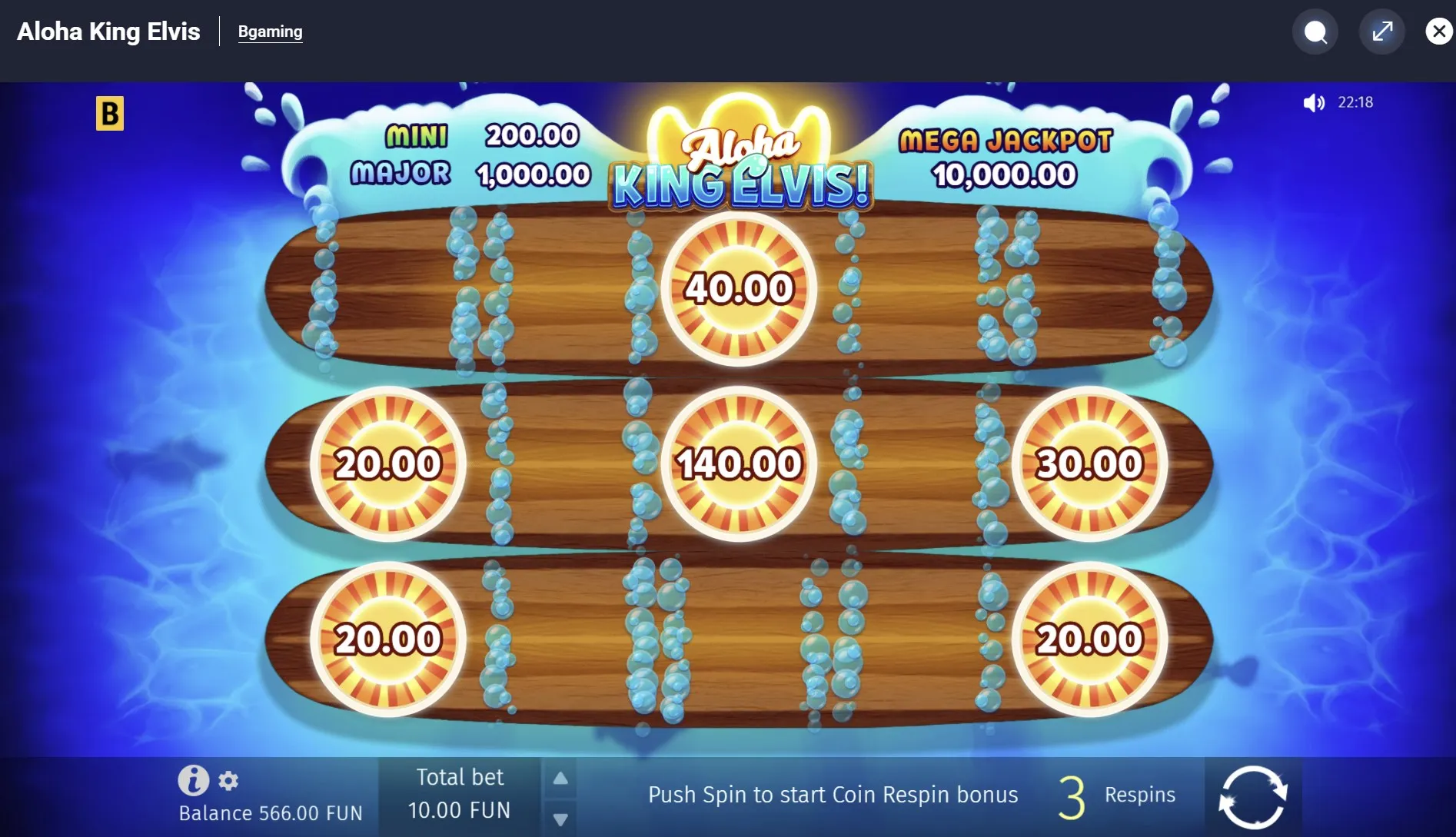
Find the unit behind the number
Start with the label beside the balance. Credits, points and a feature total can serve different purposes even when they use similar graphics. On seasonlaughter, the site’s stated model is free entertainment with virtual currency that has no monetary value. A large number does not turn that balance into money available to withdraw.
Keep that distinction when reading a game description. Words such as jackpot and payout can describe events within a game, but the surrounding explanation matters. For social casino credits, ask what changes on screen and what the rules say the unit can do. Do not attach a cash value simply because a symbol resembles a coin.
Three labels worth locating
- The balance available before a round starts.
- The amount of virtual credit used for that round.
- The result awarded after every part of the round finishes.
A separate progress bar may track something else entirely, such as collected symbols. Read its own explanation instead of adding it to the balance in your head. If two counters appear to disagree, pause at the help panel. Guessing from colour or position can make an ordinary display change seem more mysterious than it is.
Follow one complete round
Use a quiet moment to observe the beginning and end of a single round. You are checking the display, not searching for a prediction. Animation may continue while several parts of a result are counted, so comparing a starting balance with an unfinished counter can give the wrong impression of what happened.
- Note the starting balance and the selected round amount.
- Let the round and any connected feature finish.
- Read the final result label and the settled balance.
- Open the rules if the relationship is still unclear.
| Display | Useful question |
|---|---|
| Balance | What is available now? |
| Round result | What did this completed round return? |
| Feature progress | Which stated condition is being tracked? |
For example, imagine a round uses ten virtual credits and returns four. A celebration of four does not mean the balance rose by four overall; accounting for the round amount leaves it six lower. This is an invented arithmetic example, not a claim about any listed game. It shows why the two labels deserve separate attention.
Read conditions before the theme
Two games can use the same feature name while explaining different triggers. Check which symbols count, whether their positions matter and when a displayed total is settled. A familiar title or festive picture is not enough to transfer rules from one game to another. Let the help text for the actual game settle those questions.
Read the whole sentence around a trigger, including words such as only, during and after. A symbol may have one role in the ordinary round and another inside a feature. If the explanation uses an example, follow its steps with the stated settings rather than assuming it describes every round. Keeping the trigger separate from the eventual reward helps you describe what happened without promising what the next attempt will bring.
When showing a friend a result, include the unit and the setting rather than just the largest number. Our article on sharing play without a score contest explains why comparisons can distract from a relaxed evening. For cramped labels, see phone controls and readable screens before continuing.
Author’s opinion
I prefer a game whose labels I can explain in a few ordinary sentences. Social casino credits are easier to enjoy when their purpose is clear and their totals stay in proportion. My choice is to stop and read an uncertain label, even if that interrupts the animation. Understanding the screen matters more to me than keeping it moving.